
Craft Accessories, Craft Store, Crafts and Gifts, kids crafts
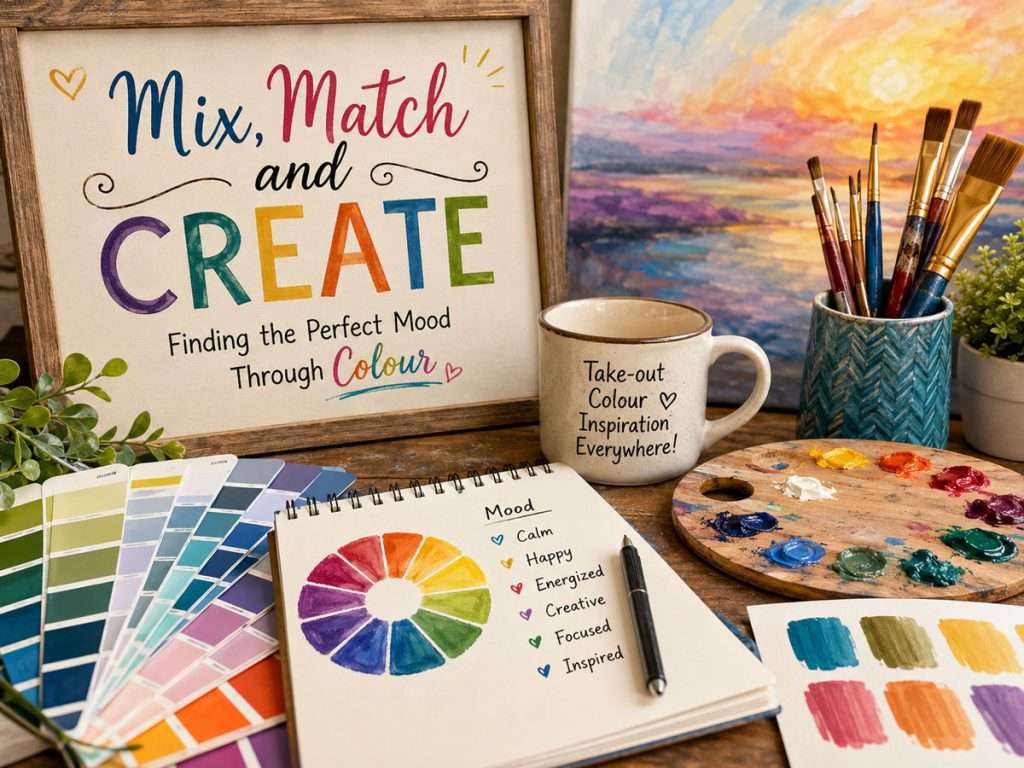
Mix Match and Create: Finding the Perfect Mood Through Colour
Aug
Mix Match and Create: Finding the Perfect Mood Through Colour
Have you ever walked into a room and immediately felt calm? Or put on a bright colour and suddenly felt a little more cheerful? You have to Mix Match and Create
That’s the fascinating thing about colour. It can influence the way a space feels, the way we express ourselves, and even the mood we bring to a creative project. Colour quietly follows us everywhere – from the sky above us and the clothes we wear to the paint on our walls and the artwork we choose to display.
And when it comes to crafting, colour is more than decoration. It is a language.
Once you start paying attention to that language, choosing colours becomes less intimidating and a whole lot more fun.
So, whether you’re painting, decorating, crafting, or simply looking for inspiration, let’s mix, match, create – and even take out a little colour inspiration wherever you go!
The Emotional Power of Colour
We often react to colour almost instinctively. Warm colours such as reds, oranges, and yellows can feel energetic, cheerful, and lively. Cooler colours such as blues, greens, and purples often create a sense of calm and relaxation.
Of course, there are no hard-and-fast rules. Colour is personal, and that’s part of the fun. Think of these ideas as a starting point rather than a rulebook.
- ‘Red’ is often associated with passion, excitement, and intensity. A touch of red can energise a project or draw attention to a particular feature. Too much, however, can feel overpowering.
- ‘Blue’ is often connected with calmness and tranquillity. Think of a clear sky or gentle water. Soft blues can create a peaceful feeling, while deeper blues can add richness and sophistication.
- ‘Yellow’ brings sunshine to mind. It can feel bright, happy, and optimistic and is a wonderful way to add a little spark to a project.
- ‘Orange’ combines the warmth of red with the brightness of yellow. It can bring feelings of enthusiasm, creativity, and playfulness.
- Then there are the quieter colours – greens, neutrals, greys, creams, and earthy tones – which can provide balance and help stronger colours shine.
YouTube Video: How Colour Shapes Your Mood, Memory and Mind
Take-Out Tip!
Here’s a fun way to look at colour: ‘take out‘ the colours you love from the world around you.
See a beautiful sunset? Take out those oranges, pinks, reds, and purples.
Love the colours in your garden? Take out the greens, yellows, and soft floral shades.
Found a piece of fabric, wallpaper, artwork, or even a favourite mug with a colour combination you love? Take it with you as inspiration for your next project.
You don’t need to reinvent the colour wheel every time you create!
Colours That Speak
Want to explore the subject a little further? Have a look at this video:
YouTube Video: How to Talk to Anyone
Colour in Everyday Life
- Colour is constantly setting the mood around us.
- Think about a clear summer sky. That soft blue can feel peaceful and open. Now picture a dramatic sunset filled with reds, oranges, pinks, and purples. Suddenly, the atmosphere feels completely different.
- The colours haven’t changed your surroundings physically – but they have changed the way you experience them.
The same thing happens inside our homes.
- A painting in the living room can subtly influence the atmosphere of the space. Soft landscapes and cool-toned artwork may create a restful feeling, while bold, colourful pieces can add energy and become a great conversation starter.
- Furniture, accessories, curtains, cushions, wall colour, artwork – even small decorative pieces – all contribute to the overall feeling of a room.
- Neutral colours such as white, grey, beige, and cream can create a clean and modern look. But if everything is neutral, a room can sometimes feel a little cold or unfinished.
That’s where colour comes in.
- A colourful cushion. A bright vase. A painted wooden sign. A cheerful piece of artwork.
Sometimes ‘one small pop of colour is all it takes.’
On the other hand, too many strong colours and competing patterns can make a space feel busy. As with so many things in decorating and crafting, balance is key.
And don’t forget about clothing.
- Some days call for quiet, muted colours. Other days, you might reach for something bright simply because you want a splash of colour in your day.
YouTube Video: How Colours Influence Your Choices and feelings
How Colour Can Influence Your Day
Colour isn’t only about making something look attractive. It can also help create an environment suited to what you’re doing.
Creating a Relaxing Space
Soft blues, muted greens, gentle greys, and other subdued shades can help create a calm atmosphere. These colours can work particularly well in spaces where you want to relax and unwind.
Encouraging Conversation
Warm colours and earthy tones can make a space feel welcoming and comfortable. Think warm oranges, soft terracotta, golden yellows, creams, and natural browns.
Supporting Focus
When you’re working, reading, studying, or creating, a simple colour palette can help reduce visual distractions. Cool colours and understated neutrals can provide a calm backdrop.
Adding Energy
- Need to brighten things up?
- That’s when those cheerful yellows, vibrant oranges, lively greens, or other bright accents can come into play.
- You don’t necessarily need to repaint an entire room. Sometimes a colourful craft project, artwork, or decorative accent can provide just the right amount of energy.
YouTube Video: The Psychology of Colour in Design
YouTube Video: How You can Use Colour in Your Every Day Life
Why We Don’t All See Colour the Same Way
Here’s where things get really interesting.
There isn’t a universal colour recipe that works for everyone.
- Our reactions to colour can be influenced by personal experiences, culture, memories, preferences, and the environment around us.
- One person might see red and think, “Exciting!”
- Another might see it and think, “That’s a bit much!”
- Someone who loves nature may instantly feel at home surrounded by greens and earthy browns, while another person may prefer crisp whites, greys, and monochrome combinations.
And then there’s lighting.
A colour that looks warm and inviting in natural daylight can look completely different under artificial lighting. The colour of surrounding walls, furniture, and other objects can also change the way we perceive it.
That’s why it’s often worth trying colours in the actual space or on the actual project before committing to a large area.
YouTube Video: Why Your Brain Sees Colours That Don’t Exist
Take-Out Tip!
Don’t just take inspiration from paint charts.
- Take a walk.
- Look at flowers, leaves, buildings, gardens, shop windows, sunsets, old doors, signs, fabrics, and even food packaging.
Colour inspiration is everywhere.
Take it out of the everyday world and bring it into your creative projects.
YouTube Video: Colour Vibes: How Artists Use Colour to Create Mood
YouTube Video: How to Tone Your Painting Canvas – Colours and Effects
Choosing Colours for Your Own Creations
- This is where colour becomes especially exciting.
- When you’re standing in front of a selection of paints, papers, fabrics, embellishments, or craft supplies, it can be tempting to choose everything you like. And why not?
- But if you want your finished project to have a particular feeling, start with the mood rather than the colour.
Ask yourself:
‘What do I want this project to say?‘
- Do you want it to feel calm?
- Cheerful?
- Elegant?
- Rustic?
- Playful?
- Dramatic?
- Fresh?
- Once you’ve decided on the feeling, you can start exploring colours that support it.
- For a calm project, try softer blues, greens, lavenders, or neutrals.
- For something energetic, experiment with brighter, warmer colours and stronger contrasts.
- For a natural or rustic look, earthy greens, browns, creams, and warm neutrals can work beautifully.
- And for something cheerful? Bring on the colour!
Try the 3-Colour Approach
If choosing colours feels overwhelming, here’s a simple place to start.
Choose:
- One dominant colour – the main colour of your project.
- One supporting colour – something that complements the dominant shade.
- One accent colour – a smaller pop of colour that catches the eye.
This approach gives your project a sense of balance while still leaving plenty of room for creativity.
And remember – you don’t have to follow it perfectly. Just mix, match, and create your own creative artwork.
- Perhaps you find five colours that look fantastic together. Go for it!
- Perhaps your project looks better with only two colours. That’s fine too.
There are no colour police!
The goal is to create something you enjoy. Mix Match and Create!
YouTube Video: How to: Your 15-Minute Guide to Colour in Your Home
Looking for more colour inspiration? Here are a few more videos to get your creative ideas flowing:
- How to Choose Colours That ALWAYS Look Good
- Choose Colours for Projects
YouTube Video: My New Favourite Way to Pick Colours
YouTube Video: 10 Colour Combinations That Always Look Expensive
YouTube Video: How to Choose Colour Combinations for Mixed Media Projects
YouTube Video: Colour Magic: How Different Paint Colours Change Your DIY Craft Projects
YouTube Video: Create 13 Amazing Colours from Just 5 Basic Colours
Conclusion: Ultimately, colour isn’t about following a strict set of rules.
It’s about experimenting.
- Mix a colour you wouldn’t normally choose with one you love. Take inspiration from something unexpected. Try a new combination. Paint one piece several different ways before deciding which version you like best.
- Take-out (choose) the colours you see around you and bring them into your next project.
- A sunset can inspire a painting.
- A garden can inspire a colour palette.
- A favourite outfit can inspire your home décor.
- A piece of artwork can inspire your next craft project.
- Remember: The possibilities are endless.
- The best colour palette isn’t necessarily the one found in a design book or on someone else’s Pinterest board. It’s the one that makes you stop and say, “I love that!”
- So don’t be afraid to mix it up.
And most importantly, have fun with colour!
Keep Creating!
Ready to start your next creative project? Visit our Craft Store and discover a variety of unique stencils and fun craft accessories to help bring your ideas to life.
Looking for a little more inspiration? Take a look through our blog, where you’ll find more ideas, projects and creative inspiration to explore.
And if you love the idea of giving something handmade but don’t have the time to make it yourself, don’t worry! Our gifts collection has ready-to-give ideas for a variety of occasions.
Whether you’re in the mood to create something yourself or looking for a special gift, there’s always something fun to discover at The Craft Corner.